Helsinki Day Tours
I’m Serious Day Tour Man AI, your day trip expert. Ask me anything — where to go, how to get there, and what’s actually worth your day.
Helsinki’s best day trip costs the price of a bus ticket: the UNESCO sea fortress guarding the harbor is part of the city’s public transport network — the ferry takes fifteen minutes, runs from six in the morning until well past midnight, and the fortress itself charges nothing. The mechanics lead the list.
The rest of the radius: a medieval river town of red shore houses an hour east, another country two hours across the Baltic, genuine wilderness forty-five minutes from the central station, and Finland’s first capital down the coast. The city block covers the sauna rules — the etiquette every visitor worries about and nobody explains plainly — plus the market hall and the library that redefined what libraries do.
Here’s what’s worth a day, with real times and honest trade-offs.

Popular Day Trips
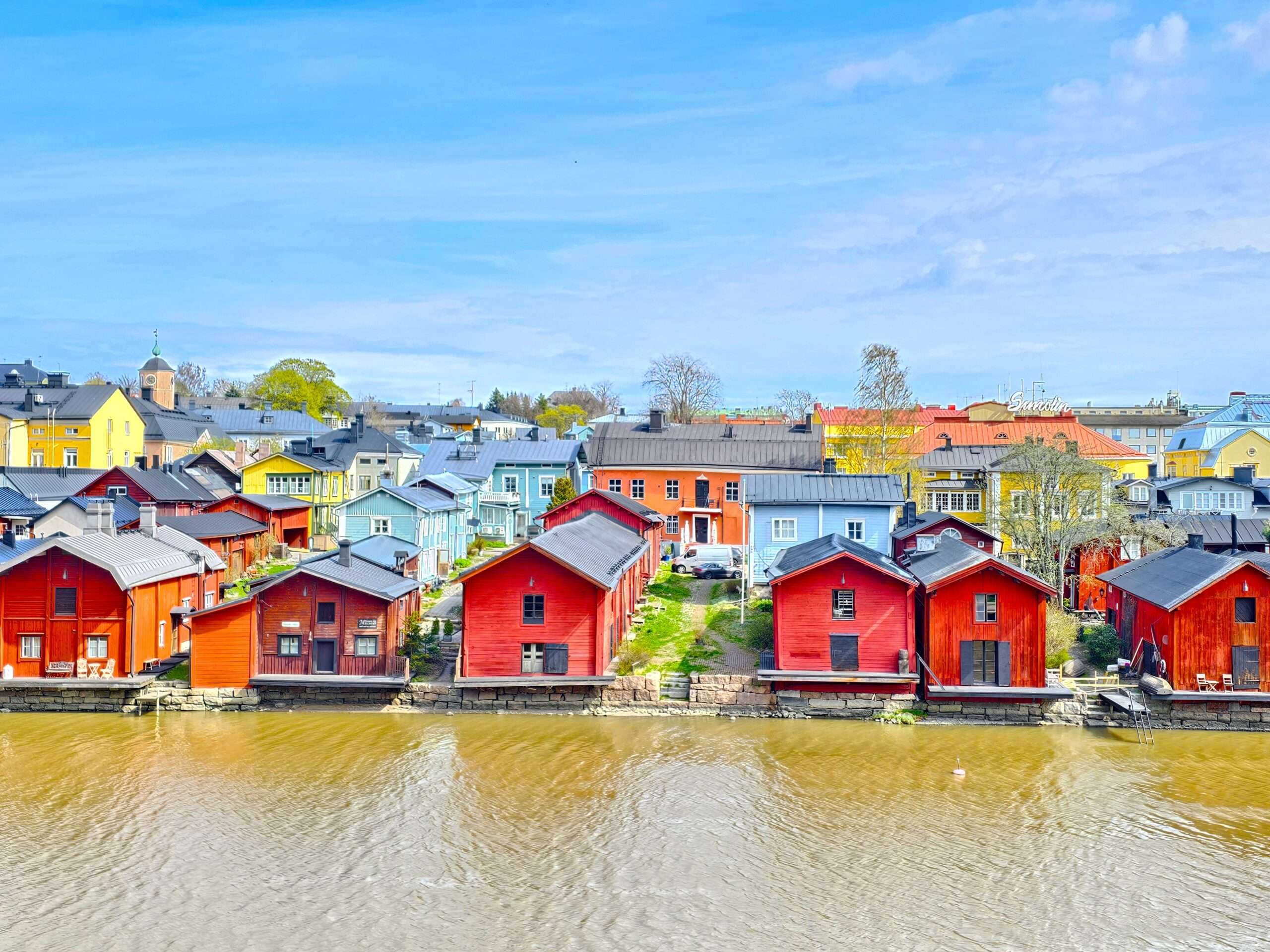
Porvoo
The Hour on the Bus, the Red Shore Houses
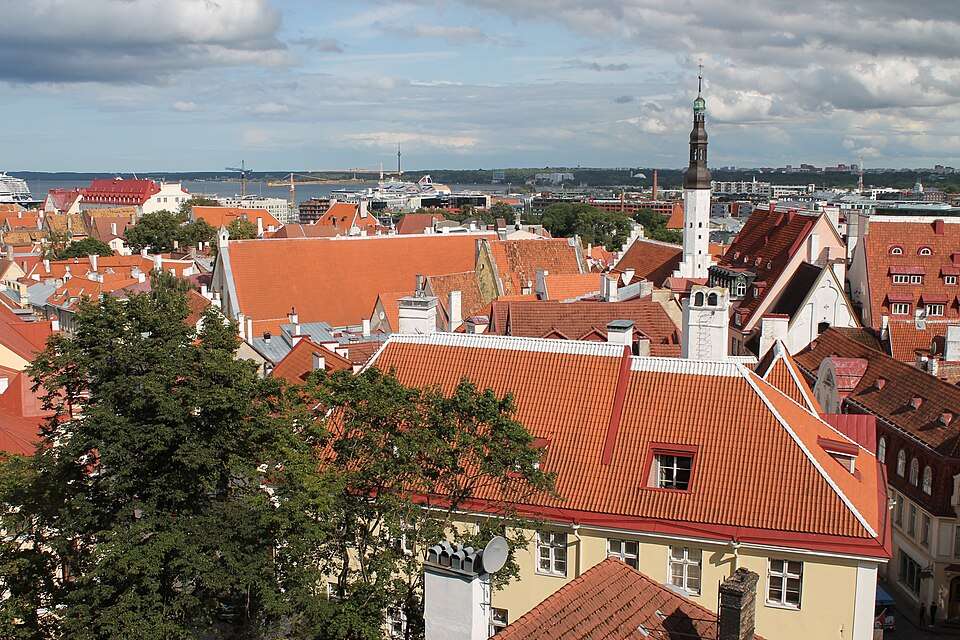
Tallinn
The Two-Hour Ferry, the Old Town
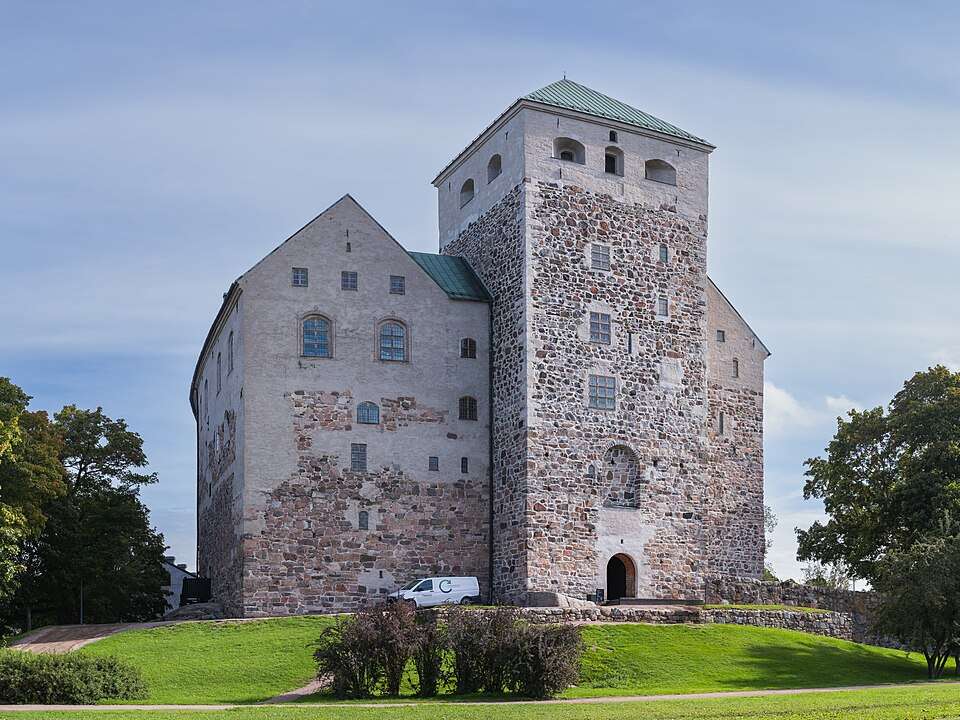
Turku
Finland’s First Capital, a Castle Since the 1280s
Suomenlinna — The Fortress on a Transit Ticket
The mechanics first, because they’re the best deal in the Nordics: Suomenlinna is served by HSL — Helsinki’s ordinary public transport — with the ferry from Market Square running year-round from about 6 a.m. to past 2 a.m., every 20 minutes in summer and at least hourly in winter, crossing in fifteen minutes. Any HSL ticket covering zone A works (an AB single or the day ticket both do), bought before the pier’s payment area — the machines, the app, or contactless at the readers — and the fortress itself has no entrance fee. Summer adds commercial water buses from the same square for a few euros more.
The island: an eighteenth-century sea fortress spread across six linked islands — star-fort walls and grassed bastions, the King’s Gate at the ceremonial landing, cannon lines facing the shipping lanes, and a living district of about 800 residents among the casemates. The circuit follows the blue-signed route end to end (about ninety minutes at stroll pace), with the fortress churches, the submarine Vesikko (seasonal), and the museums layering the history for those who want it told.
Three rules apply: the ramparts drop without railings — children get held hands, and the king’s-gate swimming rocks are for the confident — picnics are a local institution done properly here, and winter turns the crossing into an ice-breaking spectacle worth the trip alone. Half day minimum, full day easily; the last ferries run late enough that sunset belongs on the bastions.
Porvoo — The Red Shore Houses
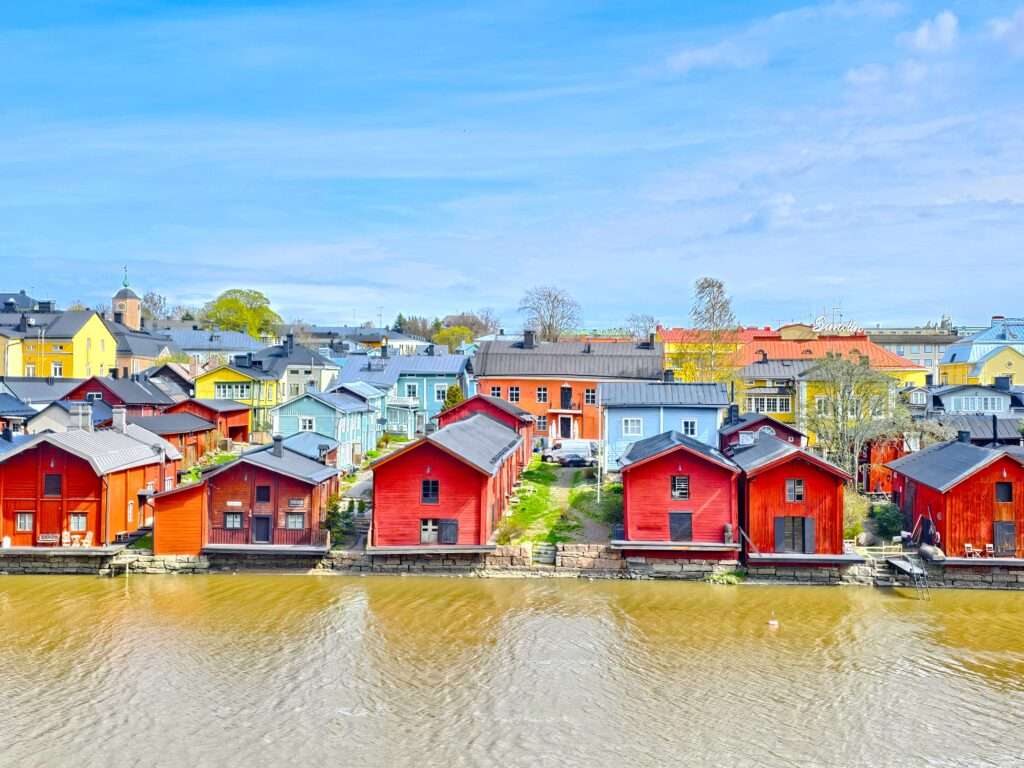
Fifty minutes east by bus (frequent departures from Kamppi; summer adds the vintage steam-train and archipelago-boat variants for the romance), Porvoo is Finland’s second-oldest town and its most photographed one: the red-ochre shore warehouses along the river — painted for a royal visit two centuries ago and maintained like the national treasure they became — with the wooden old town climbing the hill behind in pastel lanes.
The circuit: the shore-house row from the west bank (the classic frame, best in morning light), the cobbled old town’s boutique-and-café economy, the hilltop cathedral — whitewashed, storied, and burned-and-rebuilt more times than its calm suggests — and the old bridge completing the loop. The Runeberg layer runs deep for Finns: the national poet’s home museum and the Runeberg torte (almond, raspberry, rum-soaked) served at the cafés year-round, obligatory in February and correct in any month.
The eating rules: the riverside terraces handle summer lunch, the small chocolate factory and the sweets shops handle the walking dessert, and the local Timbaali institutions serve the archipelago fish. The frame: Porvoo is a gentle half-to-full day — the bus does it cheaply, the summer boat does it beautifully — and the town suits the unhurried version: two hours of lanes, one long lunch, and the shore houses twice, in different light.
Read the full Porvoo day-trip page.
Tallinn — Two Hours, Two Countries
The Baltic’s best two-country day runs from Helsinki’s harbors: the big ferries — several operators, multiple daily departures from the West Harbour and Katajanokka — cross to Tallinn in about two hours, and the mechanics are simple: book the crossing ahead in summer (the day-trip return fares run reasonable; the early boat out and evening boat back frame six-plus hours ashore), carry your passport or EU ID because Estonia is another country, and mind the clock — Tallinn runs one hour ahead, which has caught a thousand return sailings.
The old town justifies the crossing: the most complete medieval merchant city in northern Europe — the fairy-tale skyline of spires and towers, Toompea’s upper-town viewpoints (Kohtuotsa’s rooftop panorama is the postcard), the Town Hall Square’s gabled ring, and the lower town’s lanes where the Hanseatic era survives at street level. The layers beyond: Alexander Nevsky Cathedral’s onion domes, the KGB Museum’s Soviet-era hotel surveillance floor, and the Telliskivi creative quarter’s converted-factory cafés for the modern counterweight.
Summer midships bring cruise crowds to the same lanes (the early and late hours are the quiet ones), the old town prices above the rest of the city but below Helsinki, and the supermarket-run tradition on the return boat is a genuine Finnish institution, participated in knowingly. Full committed day; the overnight version unlocks the city the day boats never see.
Read the full Tallinn day-trip page.
Nuuksio — Wilderness by City Bus
Forty-five minutes northwest, Nuuksio National Park puts genuine Finnish wilderness on the metropolitan transit network: take the train to Espoo and the connecting bus to the park’s edges — an ordinary ABC-zone ticket covers it — and the lake-and-forest plateau opens from there: dozens of dark-water lakes, old-growth spruce, glacial boulders, and marked circuits from an easy couple of hours to full-day treks.
The infrastructure makes it beginner-proof: the Haltia nature centre at the gateway (the building alone, all curved wood, is worth the stop) hands out the trail maps, the marked routes — Punarinnankierros for the classic two-hour loop — pass swimmable lakes with designated fire pits, and firewood at the maintained sites is stocked and free: the sausage-grilling ritual at a lakeside pit is the Finnish national pastime, joined properly. Everyman’s rights cover the berry-and-mushroom picking in season.
A few rules finish the picture: proper shoes (the terrain rolls and roots), swimwear optional at the wilder lakes and expected at the busier ones, fires only at the marked pits, and winter converting the park into a snowshoe-and-frozen-lake world with its own quiet spectacle. The frame: this is the exhale day — no tickets, no queues, no schedule beyond the bus home — and the honest answer to “where do Finns actually go.”
Turku — The First Capital
Two hours west by train, Turku is where Finland began: the country’s oldest city and first capital, arranged along the Aura river between its two anchors — the medieval castle at the river’s mouth, seven centuries of accumulated fortress whose banquet halls and dungeons tour deeply, and the cathedral upstream, the national church of Finland, consecrated in 1300 and carrying the country’s story in its side chapels.
The river runs the day between them: the bank paths and river boats, the converted-ship restaurant row, the Aboa Vetus museum’s underground medieval streets (a city block excavated in place, walked through below ground level), and the Luostarinmäki handicrafts quarter — the wooden neighborhood that survived the 1827 great fire and now works its trades in costume through the summer.
The eating layer: the Market Hall’s century-old aisles handle lunch (the local sausage counters and archipelago fish are the register), and the riverside terraces run the evening. The stack for the ambitious: the Turku archipelago begins at the city’s edge — the summer ferry-and-bridge routes toward Naantali (the sunniest town in Finland by cheerful official claim, with its old wooden village and Moominworld for the traveling-with-children contingent) extend the day toward the sea. The frame: castle, river, cathedral, market — Finland’s history in one walkable line, two easy train hours from the capital.
Read the full Turku day-trip page.
The Sauna Rules, the Market Hall & Helsinki Itself
The sauna rules, stated plainly because everyone wonders and nobody asks: the public saunas split by gender or run mixed-with-swimsuits by posted policy — read the sign, follow it, and know that in the gender-separated sections, bare is traditional and normal (the swimsuit in a traditional single-gender sauna marks the tourist; the towel to sit on is universal and mandatory). Shower first, sit on your towel, ladle the löyly steam by consensus or ask, cool off in the sea or the plunge as many rounds as feel right, and hydrate. The modern flagships — the architectural waterfront sauna-and-restaurant complexes — run swimsuit-mixed and English-friendly, the correct first sauna; the century-old wood-heated neighborhood institutions run traditional and unforgettable, the correct second one.
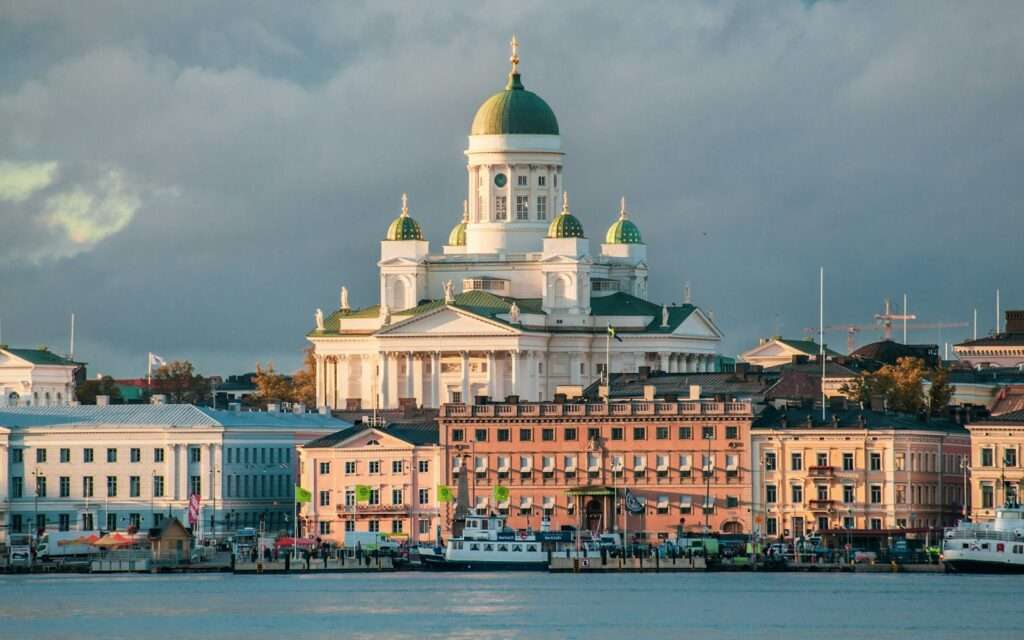
The city’s set pieces: the Old Market Hall on the harbor (salmon soup at the counter is the mandatory lunch — the argument is only over which counter), Temppeliaukio’s rock-blasted church (small entry fee; check concert schedules), the Oodi central library — the ship-shaped civic living room that redefined what a library does, free, with the third-floor terrace reading the parliament it faces — and the design district’s Finnish-modern pilgrimage stations. Tram 2’s loop remains the budget city tour; the esplanade and harbor market handle the strolling hours.
The living rules: coffee is consumed at world-leading volume and offered constantly (accept), silence in conversation is comfort rather than failure (relax into it), and summer’s white nights invert the schedule — the city stays out late in June light that never fully leaves. Season math: June–August is the terrace-and-archipelago season; the midsummer weekend empties the capital as Finns decamp to cottages (plan around the closures); December–February runs the fairy-lit, sauna-warmed winter version with sea ice in the harbor; and the honest year-round constant is that Helsinki rewards exactly the unhurried, design-literate, sauna-warmed pace it was built for.
Frequently Asked Questions
How do you get to Suomenlinna?
On ordinary public transport: the HSL ferry from Market Square, fifteen minutes, running roughly 6 a.m. to past 2 a.m. year-round — any zone-A ticket works, bought before the pier’s payment area. The fortress itself is free; summer water buses add an alternative for a few euros.
Do you need a passport for Tallinn?
Yes — a passport or EU national ID; Estonia is a separate country. The ferries cross in about two hours with multiple daily departures, and Tallinn runs one hour ahead of Helsinki — set the return-boat alarm accordingly.
What are the sauna rules?
Read the posted policy: mixed sections mean swimsuits, single-gender traditional sections mean bare is normal — with a sit-on towel mandatory everywhere. Shower first, ladle steam by consensus, cool off in the sea, repeat. Start at a modern waterfront sauna, graduate to a wood-heated classic.
Is Nuuksio worth it without a guide?
Completely — the ABC transit ticket reaches it, the Haltia centre hands out maps, and the marked loops pass swimmable lakes with stocked, free firewood at the fire pits. Bring sausages and proper shoes; the park does the rest.
When is the best light in Porvoo?
Morning on the red shore houses from the west bank, and again at golden hour — the row was painted for a royal visit and has been photographed ever since. Buses run frequently from Kamppi; the summer archipelago boat is the romantic version.